A medida que la primavera insufla nueva vida al mundo, nosotros enConexión de cable inteligenteHaz una pausa para observar uno de los festivales tradicionales más importantes de la cultura china:Festival Qingming, también conocido como el Día de la Limpieza de Tumbas.
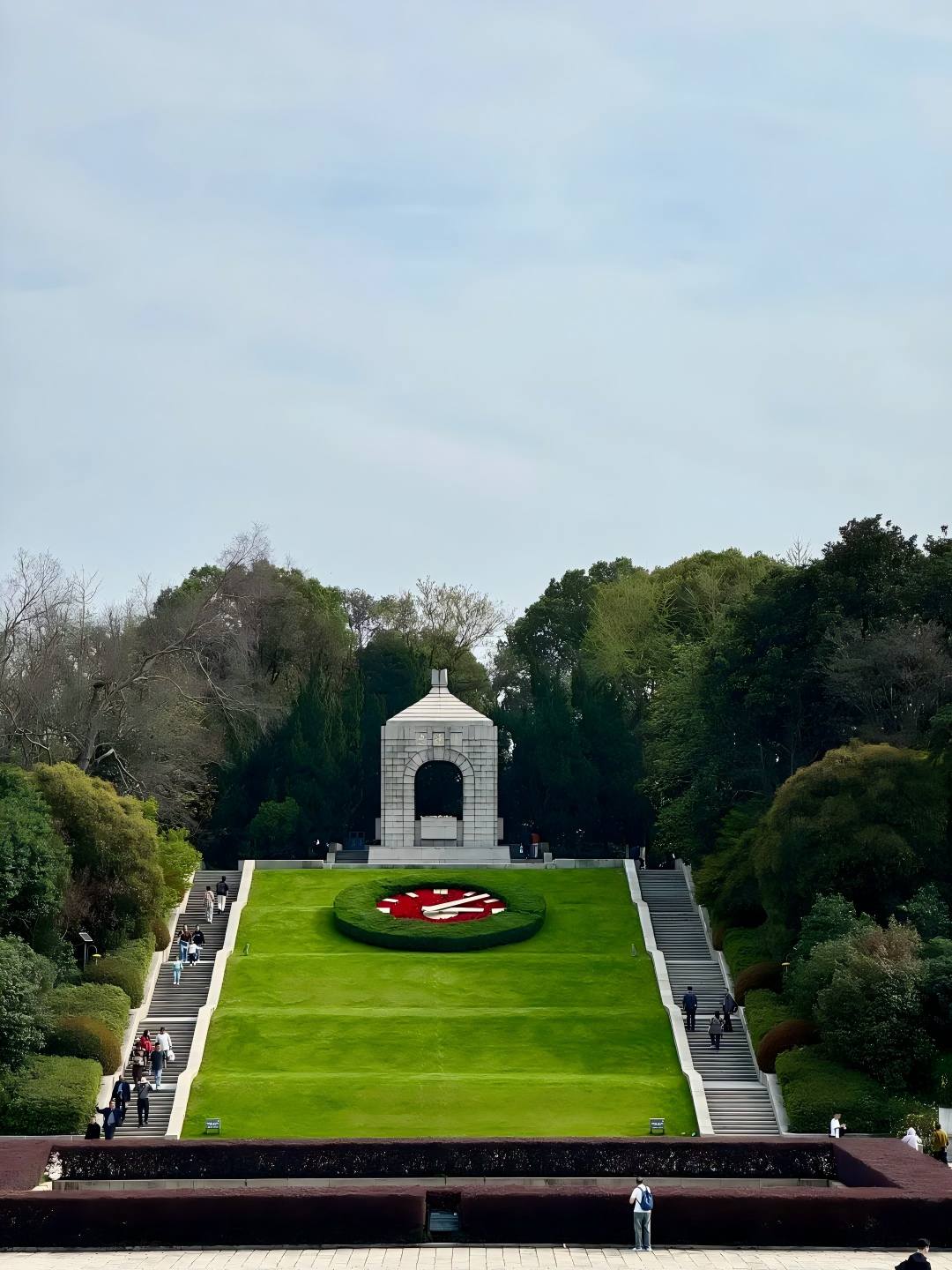
Este año, Qingming cae en4 de abrilEs una época en la que las familias de toda China honran a sus antepasados, aprecian la belleza de la naturaleza y reflexionan sobre los temas del recuerdo, la renovación y la gratitud.
Como socio global de clientes en almacenamiento de energía, equipos médicos, automatización industrial y
Además, nos gustaría compartir con ustedes la historia y el espíritu de Qingming.
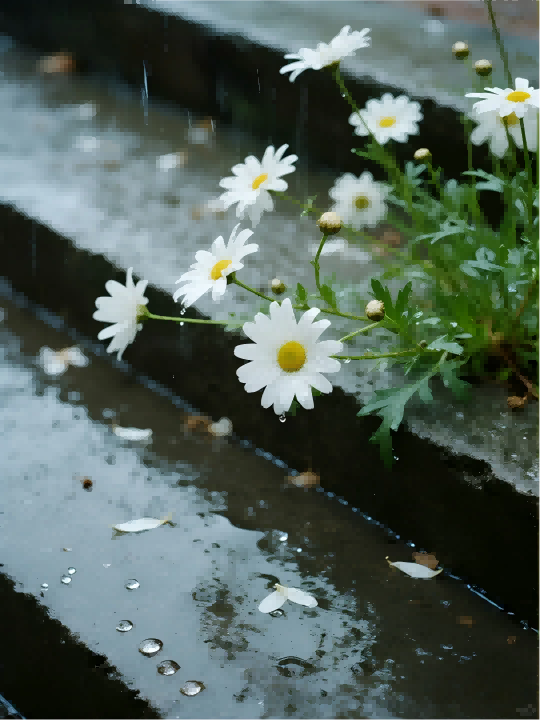
El origen: Más que un Día de los Caídos
El Festival Qingming tiene una historia que abarca más de 2.500 años. Inicialmente, era simplemente uno de los 24 términos solares del calendario lunar tradicional chino, que marcaba el momento ideal para arar en primavera, ya que las temperaturas suben y las lluvias aumentan. Con el tiempo, Qingming se fusionó con otros dos festivales antiguos: elFestival de Comida Fría (Hanshi)y elFestival Shangsi— evolucionando hasta convertirse en la observancia integral que conocemos hoy.
El Festival de Comida Fría conmemoraJie ZituiJie fue un ministro leal del Período de Primavera y Otoño (770-476 a. C.). Según la leyenda, Jie salvó la vida de su señor, que moría de hambre, cortándose un trozo de carne del muslo para alimentarlo. Cuando el señor se convirtió en rey, Jie prefirió vivir recluido con su madre en lugar de buscar recompensa. El rey, con la esperanza de obligarlo a marcharse, prendió fuego a la montaña donde vivía Jie, pero este se negó a irse y pereció entre las llamas. En su memoria, el rey prohibió el uso del fuego durante tres días, y la gente solo podía comer alimentos fríos; de ahí el "Festival de la Comida Fría".
Para la dinastía Tang (618-907 d. C.), los tres festivales se habían fusionado, creando una sola festividad que equilibra el recuerdo solemne con alegres paseos primaverales. Esta combinación única...honrando el pasado mientras celebramos la nueva vida— Eso es lo que hace que Qingming sea tan especial.
Cómo se celebra Qingming
Hoy, Qingming es un día festivo oficial en China, con tres días de celebración. Es una época en la que las familias viajan largas distancias para reunirse y honrar sus raíces.
1. Limpieza de tumbas y recuerdo de los ancestros
La tradición más importante es visitar las tumbas de los antepasados. Las familias limpian la maleza, ofrecen flores frescas, presentan comida y vino, y queman incienso u ofrendas de papel como señal de respeto. En el sur de China, particularmente entre el pueblo Hakka, existe un dicho:"Si no cuelgas un papel en la tumba en Qingming, es como no hacer absolutamente nada."— haciendo hincapié en la profunda importancia cultural de este ritual.
2. Excursiones de primavera (Taqing)
A diferencia de los días de conmemoración puramente solemnes, Qingming también celebra la llegada de la primavera. Con el aumento de las temperaturas y la floración de las flores —desde los durazneros hasta las azaleas—, las familias se aventuran a disfrutar de la naturaleza, volar cometas y hacer picnics. Este equilibrio entre tristeza y alegría es un sello distintivo de la festividad.
3. Alimentos tradicionales
La comida juega un papel central durante Qingming. En la región de Jiangnan, la gente disfrutaqingtuan— Albóndigas de arroz glutinoso verde rellenas de pasta de judías rojas o yema de huevo salada, coloreadas con hierba de cebada o jugo de artemisa. En provincias del sur como Guangdong y Fujian,corriendo(panqueques finos envueltos en verduras y cacahuetes) son populares. Las regiones del norte tienenbollos zimo, mientras que Guangxi y Guizhou presentanarroz glutinoso de cinco colores.
4. Vuelo de cometas y otras costumbres
En lugares como Weifang, en la provincia de Shandong, volar cometas es una tradición muy apreciada durante el Qingming. Algunos creen que cortar la cuerda de la cometa permite que esta se lleve la mala suerte y la enfermedad. Otras actividades incluyen columpiarse, jugar al cuju (una antigua forma de fútbol) y al tira y afloja; todas ellas maneras de disfrutar de la vitalidad de la primavera.
Qingming moderno: la tradición se une a la innovación.
Si bien los valores fundamentales de Qingming permanecen inalterados, las prácticas modernas están evolucionando. Muchas ciudades ahora promuevenlimpieza de tumbas ecológica, fomentando el uso de flores en lugar de quemar papel.monumentos en las nubesLas plataformas en línea para presentar respetos también han ganado popularidad, especialmente entre las generaciones más jóvenes y aquellos que no pueden viajar.
En ciudades como Chongqing, Qingming también se ha convertido en un atractivo turístico cultural, con ceremonias tradicionales, talleres de artesanía e incluso experiencias con motocicletas eléctricas que combinan la herencia cultural con la tecnología para atraer a un público más joven.
Nuestro calendario de vacaciones
En conmemoración del Festival Qingming, nuestra oficina permanecerá cerrada desdeDel 4 al 6 de abril de 2026. Reanudaremos las operaciones normales el7 de abril.
Durante este tiempo, puede comunicarse con nosotros por correo electrónico. Responderemos a todas las consultas lo antes posible a nuestro regreso.
Te deseo una temporada de renovación.
Mientras recordamos a quienes nos precedieron, también esperamos con ilusión las oportunidades que trae la primavera: nuevos proyectos, nuevas colaboraciones y un nuevo crecimiento.
EnConexión de cable inteligente, nos enorgullece llevar adelante los valores de artesanía, confiabilidad y respeto que han sido parte de la cultura china durante milenios. Ya sea que necesite arneses de cableado personalizados parasistemas de almacenamiento de energía, dispositivos médicos, automatización industrial o vehículos de nueva energíaEstamos aquí para apoyar su éxito, hoy y en las temporadas venideras.
Un cordial saludo,
El equipo de Smart Wire Connect




 Soporta red IPv6